

Exploring the Worlds, Stories, and Connections That Shape the Grid
Second Life is far more than a virtual world—it’s a universe of stories, characters, and immersive experiences shaped entirely by its residents. Among its most vibrant and creative spaces are its roleplay (RP) communities, where imagination becomes reality and players step into entirely new lives. Whether rooted in fantasy, modern-day drama, supernatural lore, family life, or futuristic themes, each RP community offers its own culture, rules, and opportunities for connection.
What Is Roleplay in Second Life?
Roleplay in Second Life is the art of stepping into a character and interacting with others through shared storytelling. Residents create avatars that reflect their characters’ appearance, personalities, and backstories. They then gather in dedicated RP sims and regions where environments, objects, and systems support a specific world or theme.
Everyone contributes to the story. Some players enjoy casual RP for fun, while others dive deeply into long-term, multi-layered plots—romance, conflict, politics, family dynamics, supernatural lore, or mystery.

Types of RP Communities in Second Life
Urban & Modern RP
These communities aim to simulate real-life cities or towns. Residents might play police officers, bartenders, teachers, business owners, or everyday citizens.
Common features:
Law enforcement systems
Crime and justice RP
Local shops, bars, and entertainment
Housing rentals tied to RP roles
Popular themes: city life, slice-of-life drama, community events, and interpersonal storylines.

Supernatural & Dark RP
These communities blend gothic themes, horror, and the paranormal.
Characters may include vampires, demons, angels, fae, monsters, or hybrids.
Themes often focus on:
Power struggles
Forbidden romances
Territory conflicts
Dark magic & hidden secrets
These sims are highly stylized and atmospheric, great for players who enjoy dramatic or intense storylines.
Sci-Fi, Cyberpunk & Futuristic RP
Set in distant worlds, space colonies, or dystopian cityscapes, these communities explore advanced technology and alternative futures.
Common elements:
Cybernetic enhancements
Space factions
Neon cities, starships, off-world colonies
Political intrigue and futuristic lore
These worlds often combine exploration with high-stakes storytelling

Fantasy & Medieval RP
These worlds are filled with magic, mythical creatures, kingdoms, clans, and ancient lore.
Common elements include:
Mages, elves, shapeshifters, witches
Kingdoms and guilds
Combat systems (meter-based or emote-only)
Ancient artifacts & quests
These sims often have rich rulebooks and long-form storytelling based on original lore.

Family & Community RP
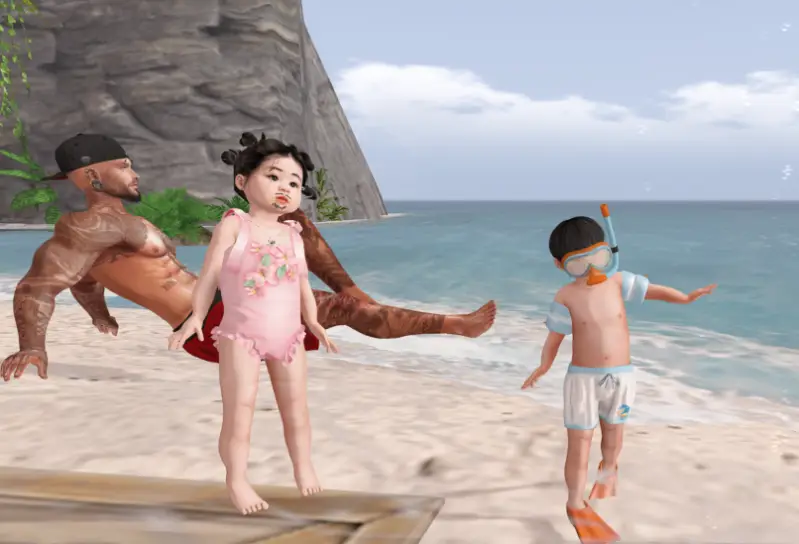
One of Second Life’s most popular RP categories, built around connection and belonging.
Characters often include:
Parents
Children & teens
Extended families
Teachers, caregivers, foster families
Many groups emphasize warmth, bonding, events, and lighthearted everyday stories. Family RP can be casual or deeply emotional depending on the group.
Why People Join RP Communities
Creativity: Build unique characters and stories
Escapism: Explore worlds unlike real life
Connection: Make friends, families, and long-term bonds
Expression: Experience different sides of yourself
Adventure: Participate in events, mysteries, battles, and plot twists
Second Life’s RP culture thrives because it offers limitless freedom to shape your own narrative.

The Heart of RP in Second Life
At its core, roleplay in Second Life is about shared storytelling and human connection. It’s a space where friendships form, families grow, and characters become meaningful parts of people’s lives. Each community, large or small, contributes to the rich tapestry that makes Second Life a world full of endless imagination.
